

Dive into our intensive Short Course in the Fundamentals of Bioinformatics, with a focus on Molecular Systematics and Phylogenetics. This programme offers an in-depth exploration of key bioinformatics tools and techniques essential for uncovering evolutionary patterns.
In today’s fast-evolving world of biological sciences, understanding bioinformatics, molecular systematics, and phylogenetics is crucial for exploring the complexities of life at the molecular level. With the increasing demand for bioinformatics experts in the job market, this course is designed to provide you with the foundational knowledge and practical skills needed to excel in this dynamic and growing field.
Dummy…
Upon completion of this short course, participants will be able to:
Since the University of London is a consortium – as association of many Universities, you need to look at the rankings of individual universities if you are looking for the ranking of UoL. The rankings for each of the Universities provide a good measure of the kind of degree you are embarking upon, its recognistion, capabilities of graduates and alumni as well as the up-to-date curriculum etc.
If the student has a Bachelor’s Degree from a recognised university (acceptable to UoL), one year exemption is given, that is, 3 modules are exempted as follows:
Changes to the vocational stage of training for solicitors and barristers have been introduced. The following websites should be consulted for updates: The Law Society – https://www.lawsociety.org.uk/career-advice/becoming-a-solicitor/
You will find most of the details in the RIC website, the RIC prospectus as well as in the prospectus of the University of London as well:
You need to complete the examinations that will be held by the Sri Lanka Law College. Further information can be found in this Gazette Notification found in the Sri Lanka Law College website. If you need further clarifications, you can contact the Chief Academic Coordinator – LLB at RIC. ([email protected])
The International Foundation Diploma for Higher Education Studies (L3IFDHES) is an Ofqual and Qualification in Wales (QiW) – regulated qualification designed to prepare students for entry into undergraduate degree programs, after O/Ls. Offered by NCC Education, this diploma provides students with essential academic and English language skills necessary for success in higher education. The programme is widely recognised by universities worldwide and serves as a direct pathway to degree studies in various disciplines.
Who is this Programme for
An IELTS score of 4.5 or above.
OR
*This requirement does not apply to students who have completed English Language as a subject in Pearson Edexcel IGCSE or Cambridge IGCSE and have achieved a minimum grade of C or above.
The NCC foundation programme is a Level 3 qualification (A/L equivalent) with a total credit value of 120. Students engage in core academic skill development, subject-specific learning, and English language enhancement.
Core Units
Developing English Language Skills (20 credits)
English for Academic Purposes (30 credits)
Research and Study Skills for University Study (20 credits)
Mathematics for University Study (10 credits)
Streams we offer:
Engineering
Physics for University Study (20 credits)
Further Mathematics for University Study (20 credits)
Life and Environmental Sciences
Chemistry for University Study (20 credits)
Biology for University Study (20 credits)
Business or Law
Introductory Economics (20 credits)
International Business (20 credits)
Information Technology
Introduction to Programming with Python (20 credits)
Introduction to Computer Science (10 credits)
Digital World (10 credits)
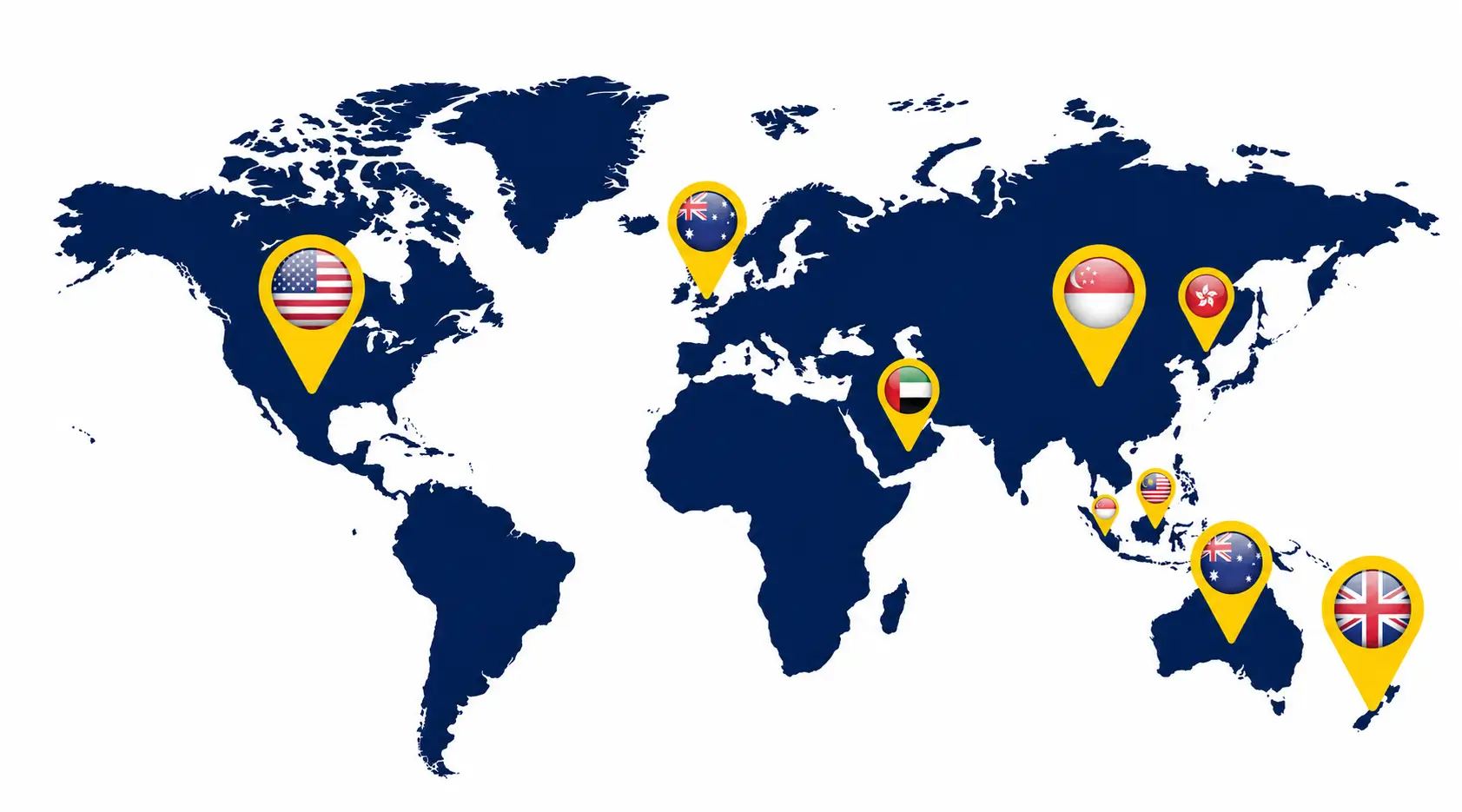
The NCC foundation programme is recognised by universities in the UK, Australia, Canada, China, Singapore, New Zealand, the USA, and beyond. Students can enrol in international university branch campuses and continue their studies globally.
London School of Economics (LSE) (United Kingdom) – Ranked 6th in the world for Social Science and Management*
King’s College London (United Kingdom) – Ranked 9th in the world for Psychology
University of Nottingham (United Kingdom) – Ranked 86th globally*
University of Sheffield (United Kingdom) – Ranked 96th globally*
University of York (United Kingdom) – Ranked 78th globally*
Deakin University (Australia)*** – Ranked in the top 200 globally*
Curtin University – (Australia, Malaysia, Dubai, Mauritius, Singapore) – Ranked 95th globally*
University of Queensland (Australia) – Ranked 41st globally*
University of Western Australia (Australia) – Ranked 72nd globally*
University of Hong Kong (Hong Kong) – Ranked 17th globally*
and many more Universities…
***Through the pathway at RIC
FAQs